
How Do You Get Rid of Cloudiness Between Window Panes?
You're standing in your living room and notice something's off. Your double-glazed windows look foggy, but when you wipe them down, nothing changes. The cloudiness isn't on the surface, it's trapped between the two panes of glass, mocking your attempts to clean it away.
This is one of the most frustrating problems homeowners face with double glazing, and unfortunately, it's also a sign that something has gone fundamentally wrong with your windows. But before you panic about replacement costs, it's worth understanding what's actually happened and what your options genuinely are.
Rule Out the Obvious First: Is It Actually Between the Panes?
Before assuming the worst, make absolutely certain the cloudiness is genuinely trapped between the glass panes rather than on a surface you can clean.
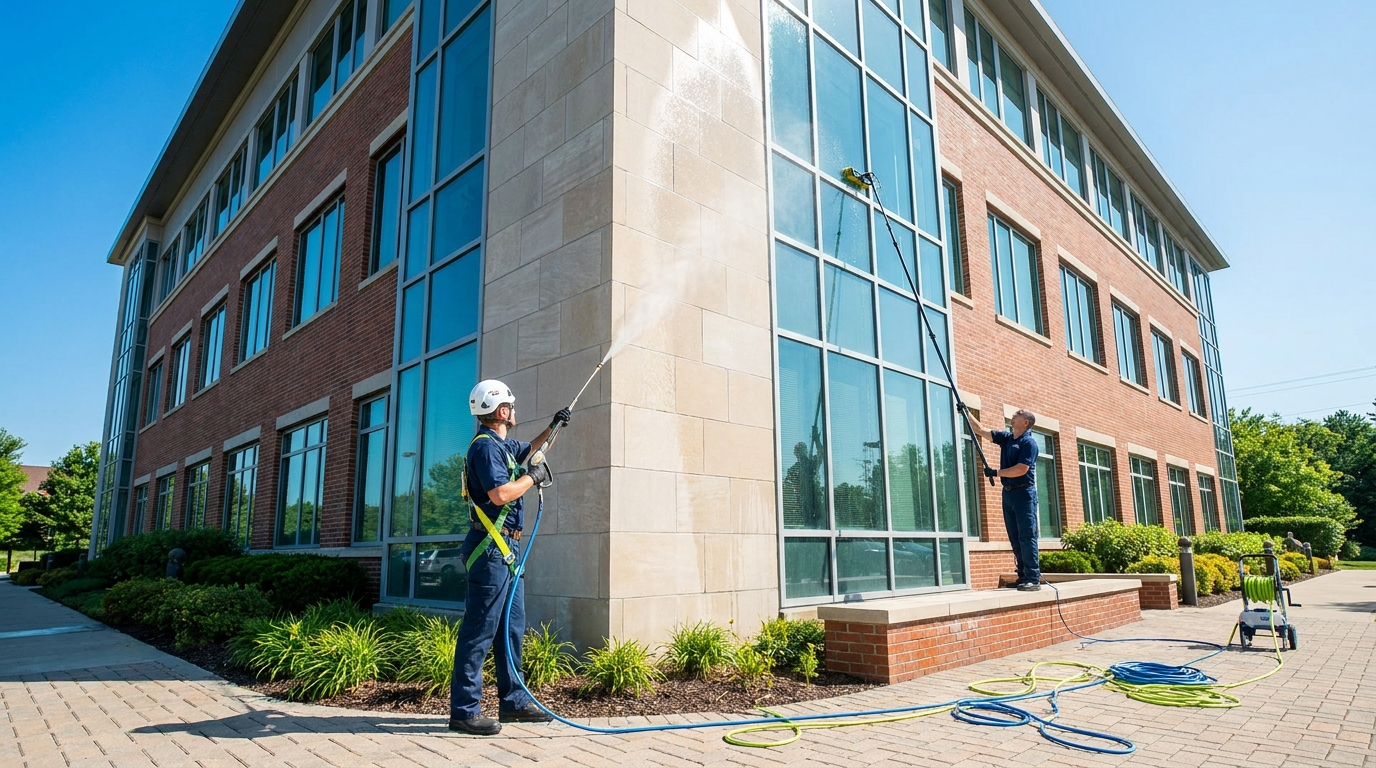
Give both sides a proper clean. On the exterior, use a standard window cleaning solution or even just warm water with a drop of washing-up liquid. For interior windows, the same approach works, a squeegee and microfibre cloth will give you streak-free results. If you're not confident in your technique, it might be worth having a professional window cleaner tackle it once to see if that solves the problem.
The key test is simple: after a thorough clean of both surfaces, does the cloudiness remain? If you can see condensation droplets, water marks, or haziness that doesn't change no matter how much you scrub, it's definitely between the panes. You might also notice that the cloudy area shifts or changes appearance depending on temperature and humidity, that's moisture moving around in the sealed cavity.
Some people mistake exterior condensation for a seal failure. Condensation forming on the outside pane of double glazing is actually a sign your windows are working brilliantly, they're so thermally efficient that the outer pane is colder than the outside air. This condensation will disappear naturally as the day warms up. If this bothers you, a quick wipe with a cloth sorts it, but there's nothing wrong with your windows.
Interior condensation (on the room-facing surface) suggests high humidity in your home rather than failed windows. Improve ventilation, use extractor fans when cooking or showering, and consider a dehumidifier if it's persistent. But again, this wipes away, it's not trapped.
The cloudiness that won't budge, the fogginess that stays put regardless of cleaning. that's your confirmation of seal failure. Now you're dealing with a different problem entirely.
What's Actually Happening Inside Your Windows
Double-glazed windows work brilliantly when they're functioning properly. Two panes of glass are separated by a spacer bar, creating an insulating cavity that's typically filled with argon gas. This space is hermetically sealed, completely airtight, and contains a desiccant material that absorbs any trace moisture during manufacture.
When you see cloudiness or misting between the panes, it means this hermetic seal has failed. Moist air from outside has penetrated the cavity, and once inside, the desiccant becomes saturated and can no longer absorb moisture. The result? Condensation forms on the interior surfaces of the glass where you can't reach it.
The seal itself is usually made from silicone or, in cheaper units, rubber strips. Over time these materials degrade—particularly when exposed to direct sunlight, which causes expansion and contraction cycles that eventually crack the seal. Most double-glazing seals last between 10-20 years, though cheaper installations may fail sooner.
Sometimes the spacer bar is the culprit. This aluminium or steel bar around the perimeter contains the desiccant material. If there's even the smallest imperfection in the seal around this bar, moisture infiltrates the cavity. The desiccant becomes saturated, and once it can't absorb any more, condensation appears.
Why This Matters Beyond Aesthetics
The cloudiness itself is annoying, it ruins your view and makes your windows look neglected. But the real problem runs deeper.
When the seal fails, the insulating gas (usually argon) escapes. Your windows are now just two panes of glass with regular air between them. They're still technically "double glazed," but they've lost much of their insulating capability. Heat escapes more readily, making your home colder and your energy bills higher.
The moisture trapped between the panes can also cause long-term damage. If water droplets run down and pool at the bottom of the unit, they can deteriorate the spacer bar and sealant further. In wooden frames, persistent moisture can lead to rot. Aluminium frames fare better, but corrosion is still possible.
There's also a resale consideration. Misted double glazing is an immediate red flag to potential buyers. It signals deferred maintenance and suggests other problems might be lurking.
The Brutal Truth About DIY "Fixes"
Search online and you'll find various DIY methods claiming to fix misted double glazing. Let's be blunt about what actually works and what doesn't.
Drilling holes in the glass is probably the most common suggestion. The theory is straightforward: drill a small hole at the bottom to let moisture drain out, and another at the top to allow air circulation. Some people even suggest using a hairdryer to speed up the drying process.
This is, at best, a very temporary solution that will fail within weeks or months. Yes, the misting might clear initially. But you've now created permanent holes in your sealed unit. Even if you plug them with silicone, the seal remains compromised. Moisture will return. The desiccant is already saturated and can't do its job. You're fighting a losing battle.
There's also the risk of shattering the glass entirely. Toughened glass, which many modern windows use, can explode if drilled incorrectly. And if your windows are still under warranty, drilling them yourself will void it completely.
Moisture absorbers placed near the affected window are another popular suggestion. These silica gel packs or similar products might reduce condensation forming on the room-facing side of the glass, but they can't reach the moisture trapped between the panes. The physics simply doesn't work.
Hairdryers and heat guns can temporarily evaporate visible condensation, but the moisture doesn't magically disappear, it just becomes water vapour that will condense again when temperatures drop. And there's a real risk of cracking the glass through thermal shock.
The uncomfortable reality is that once the seal has failed and moisture has penetrated the cavity, there's no DIY fix that will restore your window to proper working order.
Commercial "Demisting" Services: Buyer Beware
Various companies advertise specialist demisting services. They typically drill holes in the glass or spacer bar, insert a tube, and inject either a drying agent or pump heated air through to dry out the cavity. Some add an anti-fogging agent. Finally, they seal the holes with plugs that have tiny pressure-release valves.
Which? consumer group investigated these services and found they typically cost around £45 plus VAT per window. The research also revealed a significant problem: the plugs often work loose within six months, and the misting returns.
This isn't surprising. The fundamental issue, the failed seal and saturated desiccant, hasn't been addressed. You've essentially paid someone to do a slightly more sophisticated version of the DIY drilling method. The window might look clearer temporarily, but the seal is still compromised, the insulating gas is still gone, and the thermal efficiency remains poor.
Most professional glaziers won't offer these services because they know it's not a real fix. Companies that do offer demisting are often quite upfront that it's a temporary cosmetic solution rather than a proper repair. If you're considering this route, ask explicitly: "Will this restore the window's thermal efficiency?" and "What guarantee do you offer?" The answers might surprise you.
What Actually Works: The Proper Solutions
There are really only two permanent solutions to misted double glazing, and both involve replacing something.
Option 1: Replace the sealed unit
In most cases, the window frame itself is perfectly fine—it's just the glass unit that's failed. Professional glaziers can remove the failed unit and install a factory-new sealed unit in the existing frame.
This is significantly cheaper than replacing entire windows. The process is straightforward: a technician visits to take precise measurements, a new unit is manufactured to specification (including any decorative features like Georgian bars or obscure glass patterns), and then they return to fit it. The whole process typically takes a week or two.
Costs vary by window size, glass type, and location, but replacing a sealed unit is generally 40-60% cheaper than replacing the entire window. You get a brand-new, properly sealed unit with fresh desiccant and new insulating gas. Your thermal efficiency is fully restored.
There's a caveat: this only works if your frames are in good condition. If you have wooden frames that are rotting, or very old uPVC that's becoming brittle, you might need to consider full replacement.
Option 2: Replace the entire window
Sometimes full replacement makes more sense. If your windows are 20+ years old, multiple units have failed, or the frames are deteriorating, replacing everything might actually be more cost-effective long-term.
Modern double glazing is significantly more efficient than units from 10-15 years ago. Energy regulations have tightened, manufacturing techniques have improved, and you'll benefit from better insulation, improved noise reduction, and enhanced security features.
There's also the warranty consideration. New windows typically come with 10-year guarantees on the sealed units. If you're only replacing individual units, you're essentially extending the life of ageing frames that might need attention soon anyway.
Understanding Your Warranty Position
Before spending any money, check your warranty situation. Most reputable double-glazing companies provide 10-year warranties on sealed units. If your windows are less than a decade old and misting has occurred, the seal failure likely represents a manufacturing or installation defect.
Contact the original installer with your paperwork. If they're still in business (and this is where choosing established companies matters), they should replace the failed units at no cost to you.
However, warranties typically have conditions. They won't cover damage caused by improper cleaning, accidental impacts, or failed attempts at DIY repairs. This is why drilling holes yourself is such a bad idea, even if you technically have warranty coverage, you've just voided it.
If the original company has gone out of business, check if there was an insurance-backed guarantee. FENSA-registered installers provide these guarantees, which protect you if the company folds. You might still be able to claim through this protection scheme.
Can You Actually Prevent Seal Failure?
To some extent, yes, though all seals will eventually fail, it's just a question of when.
Regular maintenance helps. Keeping the drainage channels clear at the bottom of your window frames prevents water pooling around the seals. In wooden frames particularly, painting and sealing the frame every few years protects the wood and reduces moisture exposure that can accelerate seal degradation.
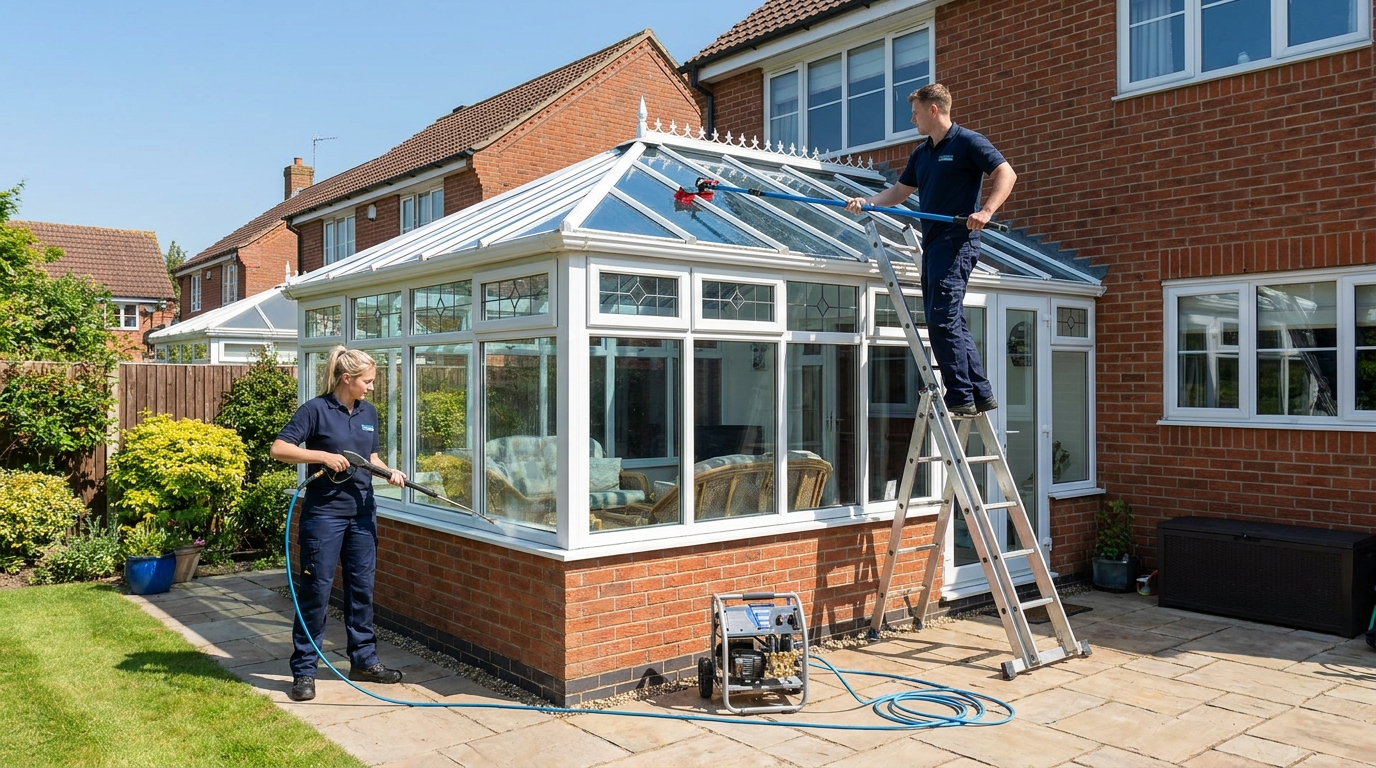
Having your windows cleaned professionally on a regular schedule, whether every few months or twice yearly, can actually help spot seal failure early. Window cleaners often notice misting between panes before homeowners do, simply because they're looking at windows closely and frequently. Early detection means you can address the issue whilst it's still under warranty or before it worsens. It's an unexpected benefit of regular window maintenance that goes beyond just having a clear view.
Windows in direct sunlight fail faster due to repeated thermal expansion and contraction. There's not much you can do about this except perhaps consider external blinds or awnings, though that's a rather extreme measure.
Quality matters enormously during installation. Proper drainage around the frame, correct positioning to prevent water pooling, and careful handling during installation all affect longevity. This is why using experienced, properly qualified fitters is worth the extra cost.
The original quality of the units also plays a role. Cheaper double glazing often uses rubber seals rather than silicone, and these degrade faster. Bargain-basement installations might save money upfront but often need attention within 5-10 years rather than the 15-20 you'd expect from quality units.
Making the Practical Decision
So you have misted double glazing. What should you actually do?
- If your windows are under 10 years old: Contact the installer immediately with your warranty paperwork. Don't attempt any DIY fixes—they'll void your warranty. The installer should replace the failed units at no cost.
- If your windows are 10-15 years old: Get quotes for sealed unit replacement. The frames are likely still sound, and replacing just the glass units is cost-effective. Choose a reputable glazier who can manufacture units to your exact specifications.
- If your windows are 15+ years old or multiple units have failed: Consider whether full window replacement makes more sense. At this age, other units are likely approaching failure, and modern windows offer significantly better performance.
- If budget is extremely tight: You can live with misted windows. They look poor and waste energy, but they won't cause structural damage to your property (assuming frames aren't wooden and getting wet). Just be aware that the problem won't fix itself, and delaying replacement means continued energy waste.
Avoid commercial demisting services unless you understand you're paying for a temporary cosmetic fix that will likely need repeating within a year. The money is almost always better spent on proper unit replacement.
The Bottom Line
Cloudiness between window panes isn't something you can clean away, and there's no magic trick to fix it permanently. The seal has failed, the insulating gas is gone, and the window is no longer performing its job properly.
You have two real choices: replace the sealed unit or replace the entire window. Everything else, DIY drilling, commercial demisting, moisture absorbers—is either a temporary fix at best or completely ineffective at worst.
The good news is that replacing sealed units is usually quite affordable and much less disruptive than full window replacement. The bad news is that there's no way around spending something if you want clear, efficient windows again.
Understanding what's actually possible helps you avoid wasting money on solutions that don't work and make informed decisions about repair versus replacement. Misted double glazing is annoying, but it's a fixable problem once you know what your realistic options are.