

Blog

How contractors safely clean asbestos cement roofs using biocides, low-pressure washing, and licensed waste disposal — and what to ask before you hire.
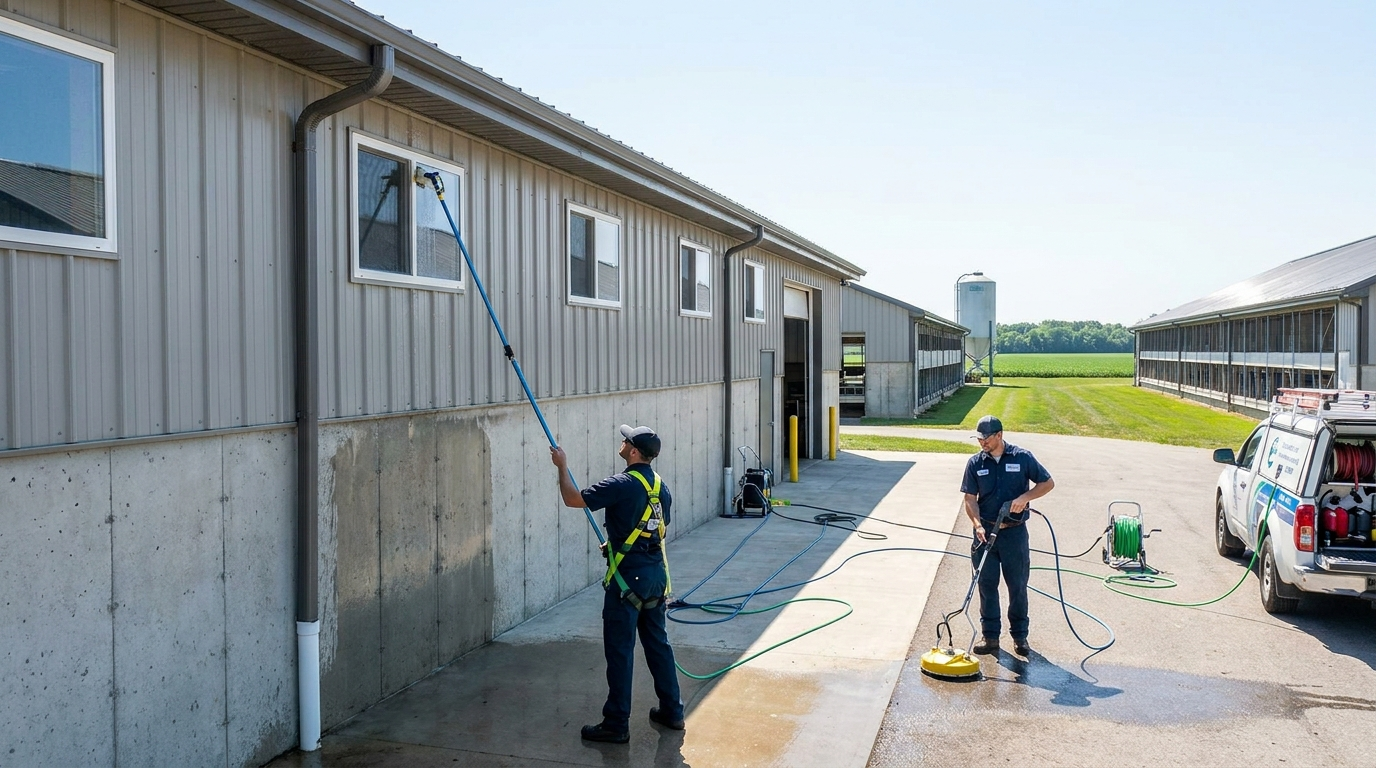
How to build a farm exterior maintenance plan covering gutters, roofs, siding, and walkways — with seasonal schedules and task assignments that prevent costly repairs.
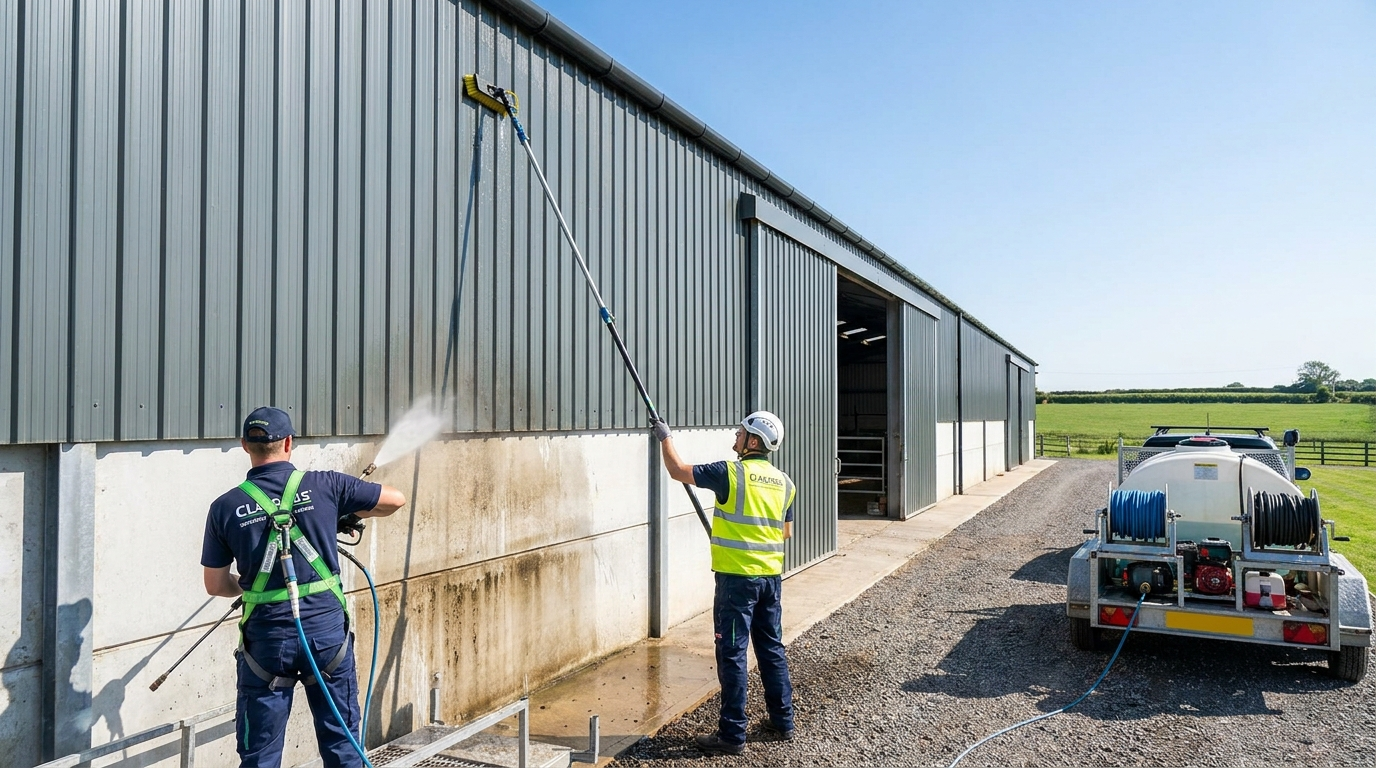
A practical seasonal guide for property managers: when to clean windows, gutters, roofs, and hard surfaces — and what to check before hiring a contractor.
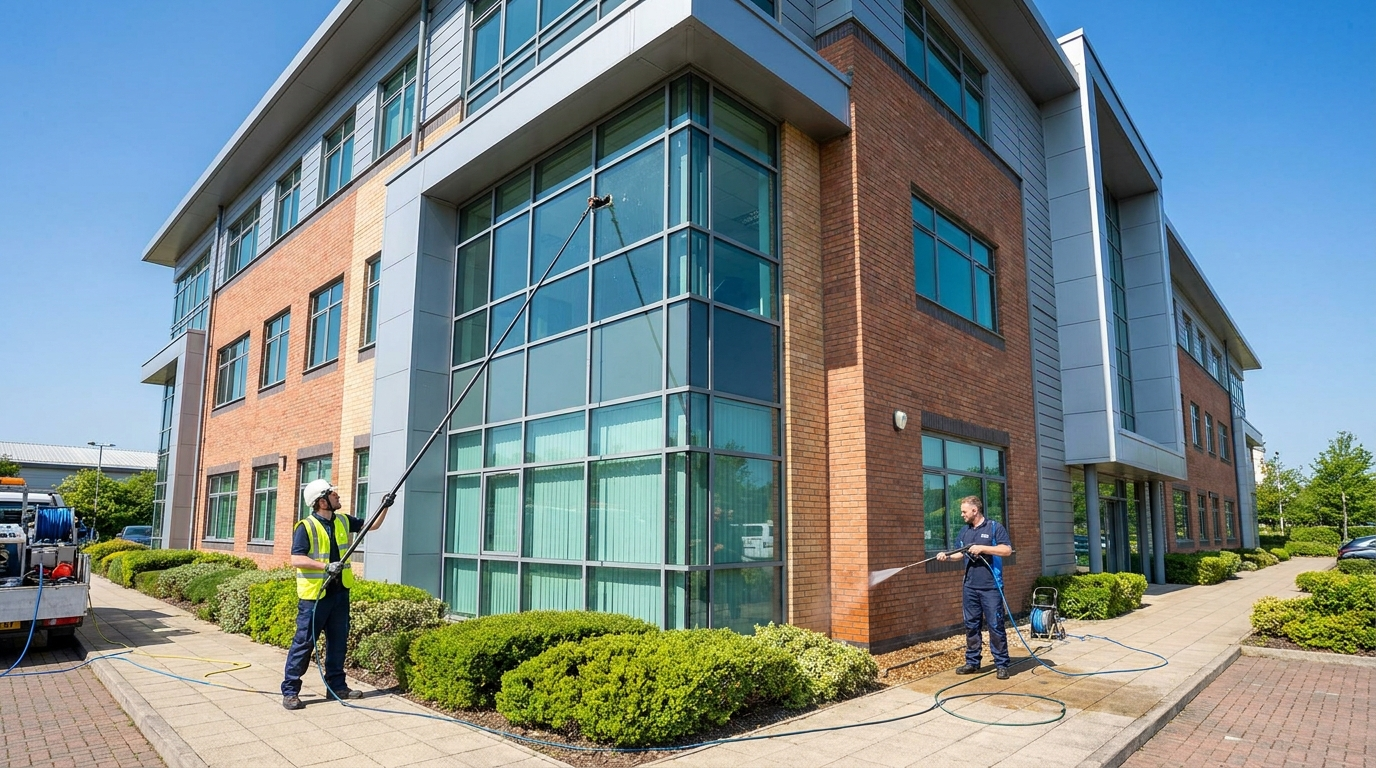
A surface-specific guide to commercial façade cleaning for property managers — covering site assessment, method selection, chemical use, and final inspection.
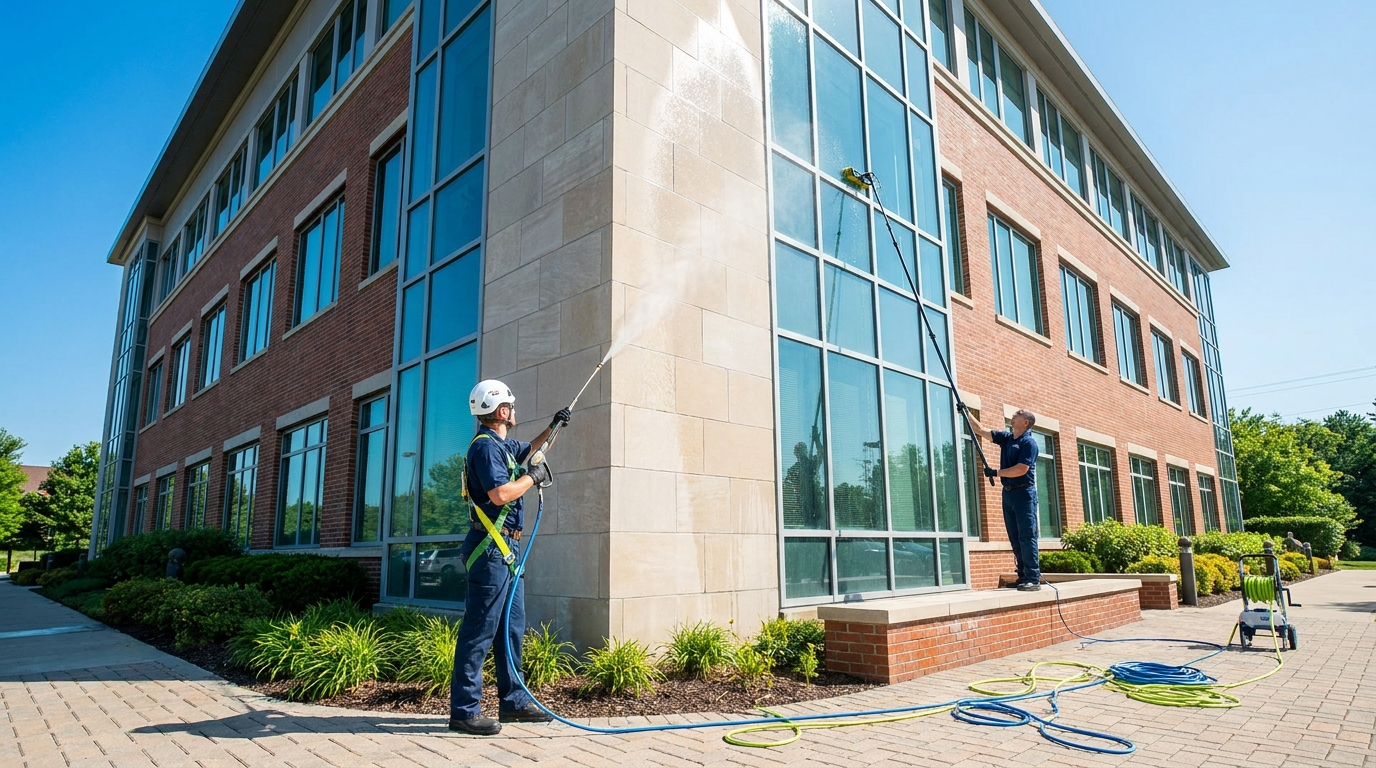
How commercial exterior cleaning works — surface-by-surface PSI guidance, pre-job prep, soft washing vs. pressure washing, and what to ask before you book.
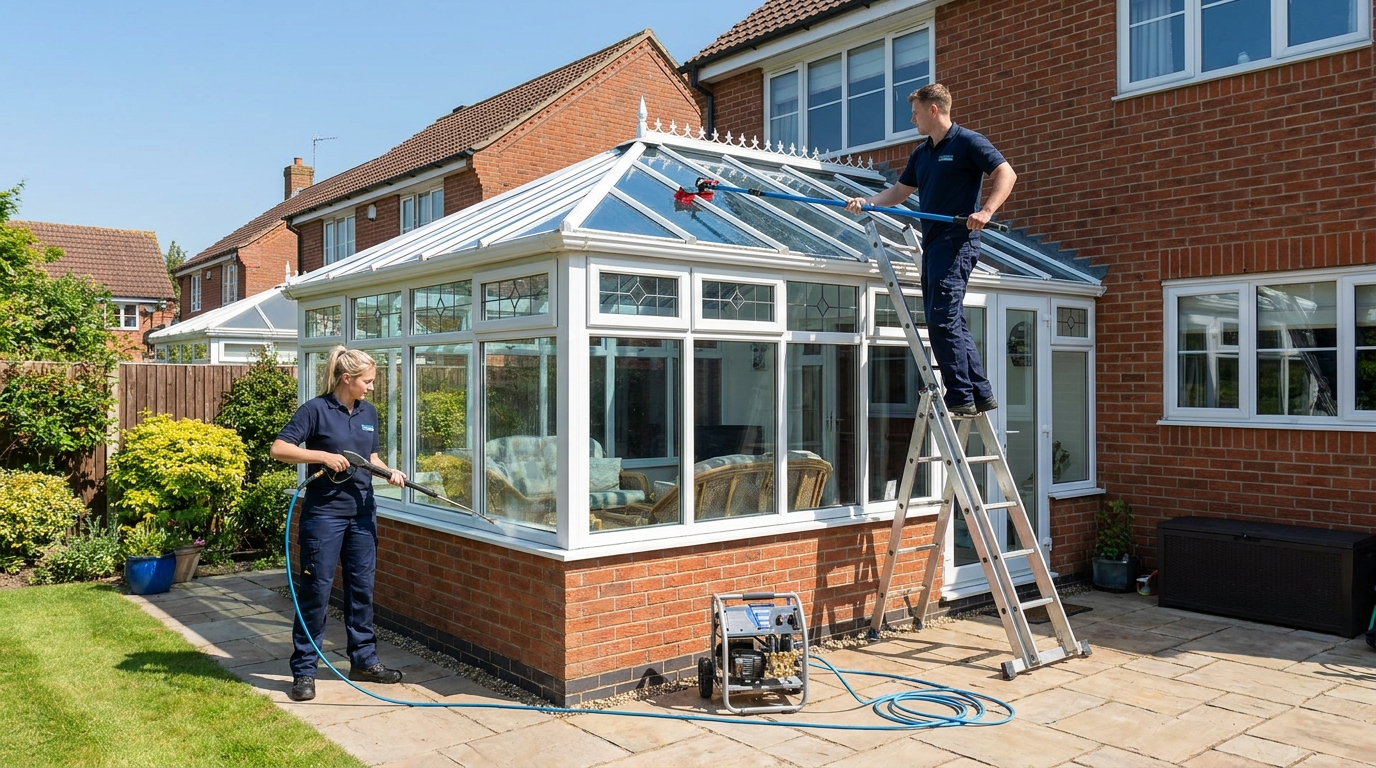
Learn the safe step-by-step process for conservatory roof cleaning without damage. Equipment checklist, safety protocols, and mistakes to avoid.
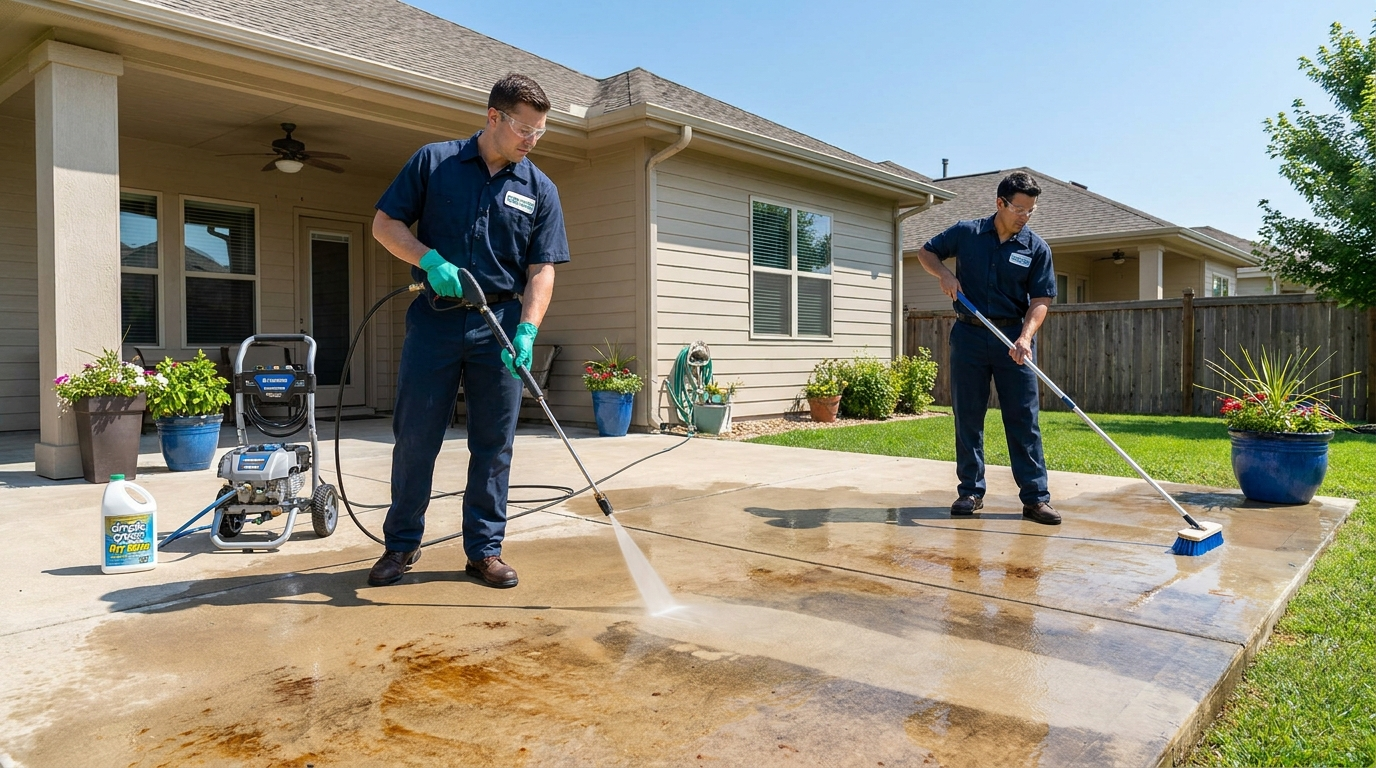
Professional 5-step concrete patio cleaning process. Expert tips for stain removal, pressure washing, and maintenance that lasts months.

Learn to clean solar panels safely with step-by-step DIY methods. Includes proper tools, safety tips, and when to hire professionals instead.

Learn why solar cleaning companies use deionized water instead of soap for residue-free panels. Complete DIY guide with costs and equipment recommendations.

When was the last time you looked through your windows and actually saw a clear view? If you're squinting through layers of grime, dust, and weather residue, you're not alone. Window cleaning is one of those household tasks that many people put off, but understanding the costs involved can help you make an informed decision about whether to tackle it yourself or bring in the professionals. What Are the Average Costs in the UK? The cost of window cleaning in the UK varies considerably depending on several factors, but you can generally expect to pay between £10 and £80 for a residential property. According to industry data from Checkatrade , the average window cleaning price in the UK is around £30, with professional window cleaners charging approximately £25 to £40 per hour. However, these figures only tell part of the story. Your actual costs will depend significantly on the type of property you have: Flats and smaller properties typically see the lower end of the pricing spectrum, with costs ranging from £10 to £50. These properties usually have fewer windows and better accessibility, making them quicker and simpler to clean. Terraced houses generally cost between £6 to £15 for regular cleaning, though one-off cleans can cost around £35. The difference in pricing between regular and one-off services is significant and worth considering if you're planning ongoing maintenance. Semi-detached properties sit in the middle range, with prices typically between £10 and £50, though this can extend upwards depending on the number of windows and floors. Detached houses command the highest prices for residential properties, starting at £30 and potentially reaching £80 or more. These properties often have more windows, multiple storeys, and may require specialised equipment for safe access. Understanding Regional Price Variations Where you live in the UK makes a substantial difference to what you'll pay. London and the South East typically see higher rates due to increased demand and higher living costs. For instance, window cleaning in London can start from around £4 per standard-size double window for a one-time outside cleaning, but this comes with a minimum charge of approximately £35. In contrast, other regions of the UK often offer more competitive pricing. Real-world examples from homeowners across the country show significant variation—some paying as little as £8.50 for nine windows, whilst others in affluent areas pay £60 for around twenty windows. These differences aren't just about location; they also reflect the type of service provided and the equipment used. The Key Factors That Influence Your Quote Understanding what affects window cleaning costs helps you anticipate what you'll pay and ensures you're getting fair value for money. Here are the primary considerations: Property Size and Window Count This is perhaps the most obvious factor—the more windows you have, the longer the job takes. A small flat with six windows will naturally cost considerably less than a four-bedroom detached house with twenty-five windows. Professional cleaners need to assess not just the total number of windows, but also their individual sizes. Large bay windows or floor-to-ceiling glass panels require significantly more time and effort than standard casement windows. Building Height and Accessibility Ground-floor windows are straightforward to clean and therefore less expensive. However, once cleaners need to work at height, costs increase due to the additional equipment, time, and safety considerations involved. Windows on upper floors may require extension poles, ladders, or in some cases, more specialised access equipment. The layout of your property also matters. Windows tucked away in awkward corners, surrounded by hedges, or requiring the cleaner to navigate through your garden can all add time to the job. Properties with difficult access might see price increases to reflect the extra effort required. Window Type and Condition Different window styles present varying levels of complexity. Standard single or double-hung windows are relatively quick to clean, but multi-paned Georgian or Victorian windows with intricate glazing bars require meticulous attention to detail. French windows, bay windows, and sunburst designs all take longer due to their construction. The condition of your windows also plays a role. If they haven't been cleaned for an extended period, there may be a substantial build-up of dirt, hard water stains, or mineral deposits. Many window cleaners charge more for the first clean of particularly dirty windows, as removing stubborn grime requires additional time and sometimes specialist cleaning products. Cleaning Method Window cleaning has evolved considerably over recent years. Traditional methods using ladders, buckets, and squeegees remain popular, particularly for smaller properties. However, many modern window cleaners now use water-fed pole systems that can reach high windows from ground level using purified water. Each method has its merits. Water-fed pole systems are generally faster for routine maintenance and safer as they eliminate the need for ladders. However, some homeowners prefer the traditional approach, particularly for windows with stubborn marks that benefit from hands-on attention. The method used can influence the final price. Frequency of Service Perhaps one of the most significant factors affecting cost is how often you have your windows cleaned. Regular customers typically pay considerably less per visit than those requesting one-off services. This pricing structure reflects the reduced effort required for routine maintenance compared to deep-cleaning windows that haven't been touched in months or years. Monthly or bi-monthly cleaning contracts often come with discounted rates. For example, whilst a one-off clean for a terraced house might cost £35, committing to a regular schedule could reduce this to as little as £6-£15 per visit. This represents substantial savings over time whilst ensuring your windows remain consistently clean. What's Included in a Standard Clean? It's important to understand exactly what you're paying for. A basic window cleaning service typically includes cleaning the exterior glass surfaces of your windows. Many professionals also clean the frames and sills as part of their standard service, though this isn't universal—always check what's included in your quote. Interior window cleaning is often available as an additional service. Cleaning interior windows is generally less expensive than exterior work, as the surfaces are usually less dirty and more accessible. Some companies offer packages that include both interior and exterior cleaning at a bundled rate. Beyond the basics, you may encounter additional services that come with extra charges: Window screens or nets often cost between £0.50 and £5 per screen to clean. Whilst this might seem modest, it can add up if you have many windows. Hard water stain removal is a specialist service that addresses the white, chalky deposits that accumulate on windows, particularly in hard water areas. This typically costs an additional £10-£30 per window due to the specialist products and extra effort required. Conservatory roof cleaning is a separate service entirely, with prices starting from around £50 and potentially reaching £300 depending on the size and condition of the conservatory. Gutter, fascia, and soffit cleaning are sometimes offered by window cleaners as complementary services, though these come with their own pricing structures. Always request a detailed quote that clearly outlines what's included and what would cost extra. This transparency helps you compare quotes accurately and avoid unexpected charges. Commercial Window Cleaning: A Different Proposition If you're a business owner or property manager, commercial window cleaning operates on a different scale. Prices for commercial properties are considerably higher, typically ranging from £100 to £500 or more , depending on the size and complexity of the building. Commercial premises often require more frequent cleaning than residential properties—weekly, fortnightly, or monthly schedules are common to maintain a professional appearance. Many businesses opt for maintenance contracts, which can reduce the per-visit cost by 10-20% compared to one-off services. High-rise buildings and properties requiring specialist access equipment (such as cradles, cherry pickers, or abseiling techniques) can cost thousands of pounds, reflecting the specialist skills, equipment, and safety measures involved. The DIY Alternative: Is It Worth It? You might be wondering whether you could save money by cleaning your windows yourself. For ground-floor windows, DIY is certainly viable and can save you the cost of professional services. You'll need some basic supplies: a bucket, squeegee, cleaning solution (or simply water and washing-up liquid), microfiber cloths, and perhaps a ladder. The upfront investment in supplies is relatively modest—typically £20-£40 for a basic kit. However, DIY comes with important considerations. Firstly, it's time-consuming. Cleaning all the windows in an average house can take several hours, particularly if you're inexperienced or working alone. Professional cleaners have the skills, techniques, and equipment to work much more efficiently. Safety is perhaps the most crucial factor. Falls from ladders are one of the most common causes of serious injury in domestic accidents. If you have any windows above ground level, you'll need to work at height, which carries inherent risks. Professional window cleaners have proper insurance, safety training, and equipment designed for working at height safely. There's also the question of quality. Achieving truly streak-free, spotless windows requires technique and practice. Professional cleaners know how to work quickly whilst delivering consistently excellent results. If you've ever spent an hour cleaning a window only to notice streaks and smears once it dries, you'll understand the value of professional expertise. For most homeowners, DIY makes sense for accessible ground-floor windows between professional cleans. However, for upper-floor windows, particularly on properties with two or more storeys, the cost of professional cleaning is generally worthwhile for the safety, quality, and time savings it provides. How to Ensure You're Getting Fair Value With such variation in pricing, how can you ensure you're paying a fair rate? Here are some practical steps: Get multiple quotes. Aim for at least three quotes from different window cleaners in your area. This gives you a good sense of the going rate and helps you identify any outliers either suspiciously cheap services that might cut corners, or unnecessarily expensive ones. Check what's included. The cheapest quote isn't necessarily the best value if it only covers basic exterior cleaning whilst others include frames, sills, and screens. Compare like-for-like services. Read reviews and check credentials. Look for window cleaners with strong reviews from previous customers. Check they have appropriate insurance, public liability insurance is essential in case of accidents. Membership of trade associations can also indicate professionalism and adherence to industry standards. Consider the cleaning method. Decide whether you have a preference for traditional or water-fed pole cleaning. If you have specific requirements (such as avoiding certain cleaning products, or needing interior windows cleaned as well), make these clear when requesting quotes. Think about frequency. If you're planning to have your windows cleaned regularly, ask about discounted rates for repeat customers. Many cleaners offer substantial savings for monthly or bi-monthly contracts. Be clear about your property. When requesting quotes, provide accurate information about your property type, approximate number of windows, number of storeys, and any access challenges. This helps cleaners provide accurate estimates and avoids awkward conversations when they arrive to find the job is more complex than anticipated. Why Regular Window Cleaning Matters Beyond the obvious aesthetic benefits, regular window cleaning serves several practical purposes that justify the cost. Clean windows significantly improve natural light penetration into your home. This might sound trivial, but the difference is remarkable—a house with clean windows feels brighter, more spacious, and more welcoming. This increased natural light exposure has been linked to improved mood and wellbeing, contributing to a more pleasant living environment. From a maintenance perspective, regular cleaning extends the lifespan of your windows. Dirt, grime, and mineral deposits can gradually etch into glass, causing permanent damage. Regular cleaning prevents this build-up and can save you from costly window replacements in the long term. There are also energy efficiency considerations. Dirty windows can reduce solar heat gain during winter months, whilst clean windows allow maximum light penetration, potentially reducing your need for artificial lighting during daylight hours. For properties you're looking to sell, clean windows significantly boost curb appeal. First impressions matter enormously in property viewings, and sparkling windows suggest a well-maintained home. The relatively modest cost of professional window cleaning before putting your house on the market is an investment that can pay dividends. Making Your Decision So, how much should you expect to pay for window cleaning? For a typical UK home, budget between £15 and £40 for regular professional cleaning. Smaller properties and flats might pay less, whilst larger detached houses with multiple storeys could pay £50-£80 or more. One-off deep cleans cost more than regular maintenance visits, so if you decide to use professional services, consider committing to a regular schedule. The per-visit savings add up quickly, and you'll enjoy consistently clean windows rather than the feast-or-famine approach of occasional deep cleans. Remember that the cheapest option isn't always the best value. Professional window cleaners with proper insurance, good reviews, and proven expertise might charge slightly more, but they'll deliver better results and give you peace of mind. They'll work safely, efficiently, and leave your windows genuinely spotless—something that's harder to achieve than it might appear. Ultimately, the decision between DIY and professional cleaning depends on your property, your budget, and your confidence working at height. For many homeowners, a hybrid approach works well: regular professional cleaning for exterior windows, particularly those above ground level, supplemented by occasional DIY cleaning of accessible interior windows. Whatever you decide, clean windows make a remarkable difference to your home. They're the eyes of your house, and keeping them clear and bright is an investment in your property's appearance, your wellbeing, and potentially your home's value. Now you're equipped with a realistic understanding of costs, you can make an informed decision that works for your circumstances and budget.