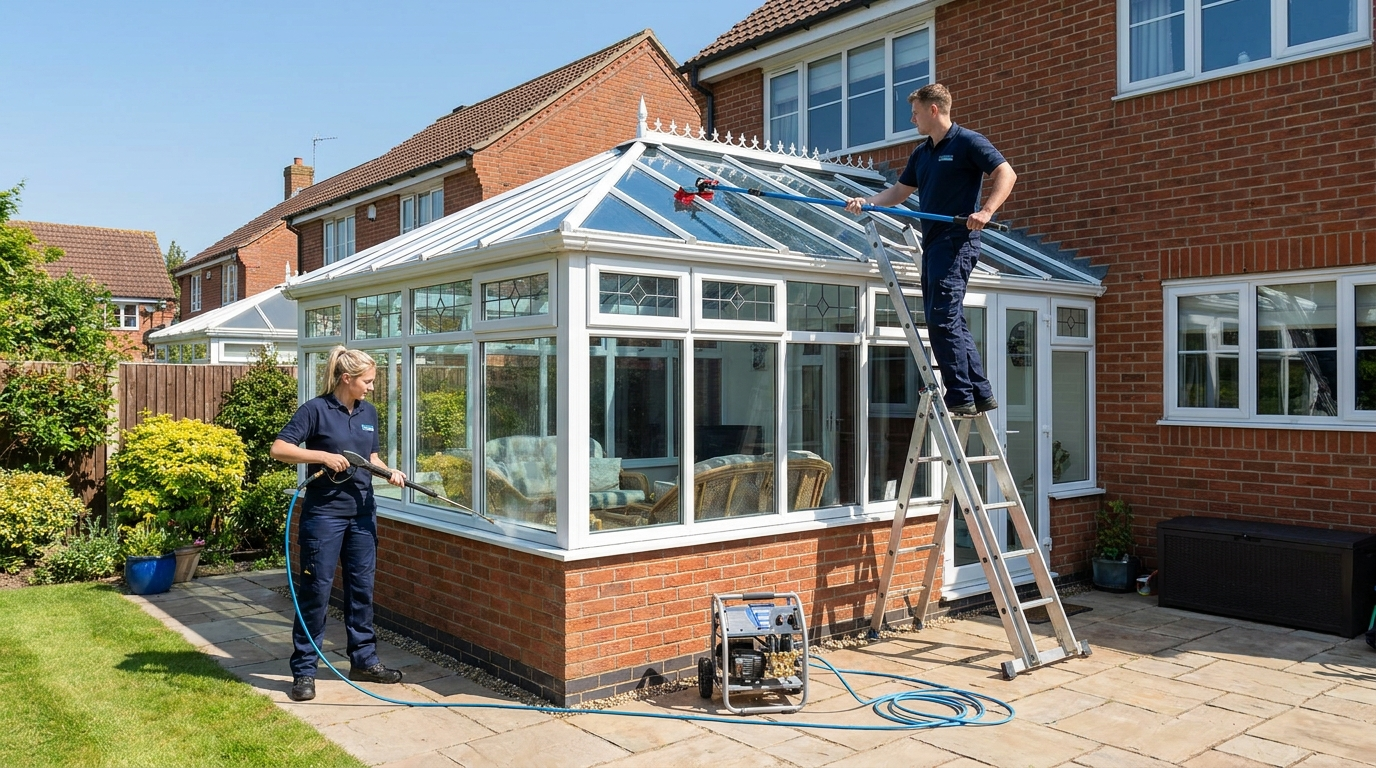

How to clean the conservatory roof? Everything you need to know!

zahid adnan • May 14, 2022

A conservatory is a valuable investment for any house as it provides a bright and beautiful room that constantly captures the maximum amount of sunlight and offers you extra space.

The joy it brings cannot be denied. But with time, your beautiful new space may begin to lose its shine? Do you remember it was brighter at the start and much dull now?

Likelihoods are that the blurring down of your bright conservatory has one simple-to-tackle reason: obviously, it is dirt.

These large and beautiful glass plates will eventually begin to collect smears, stains, and grime on the surface, block sunlight and even damage the structure if left unattended for long periods.

Clean the conservatory, and it will shine again and return to the state of a house adorned with glittering jewels. For this reason, we wanted to share some tips on how to clean the conservatory to restore it to its best appearance.


What do you need to clean a conservatory roof?

Cleaning the roof of a conservatory requires some consideration. The glass panel can break and extend upstairs or out of reach. It is essential to consider safety when doing this. So, before we analyze how to clean the conservatory roof, here are some safety tips.

  • Ensure the conservatory is free of any material that may fall on you or others during this cleaning process.
  • Ensure the telescopic brush’s length provides easy access to the cleaning area to prevent the brush from sticking out.
  • When climbing a ladder, ensure the base is firm or have someone to hold it.
  • Wear proper boots or shoes while riding the ladder. Sliding high can cause severe harm to you.
  • Make sure the glass pieces are not loose. These can be hefty and pose a severe risk to others underneath.

Tools you need:

Squeegees, telescopic cleaners, and a ladder are some of the tools needed for effective conservatory cleaning. Below is a complete description of each of these and how you can use them in the cleaning practice. Garden hoses help clean roof panels with squeegees, while ladders provide access to otherwise inaccessible heights.

  • The cleaning liquid is specially designed for conservatory roofs: but if the roof is mostly glass surface, you can replace it with dishwashing liquid
  • Microfiber cloth: helps to clean roof panels, frames, and windows
  • UPVC cleaning solution
  •  Warm water
  • Telescopic cleaner

Telescopic Cleaner:

Telescope brushes are a must when it comes to conservatory roof cleaning. This is an effective technique to clean panels; however, you can also use it for windows, gutters, and frames. Choose a brush that has a soft bristle part so it cannot scratch the surface of the greenhouse roof.

The prime advantage of using a telescopic brush is that it eliminates the use of a ladder. Therefore, it is ideal if you are not confident in using the ladder or are not accustomed to working from above.

Squeegee

Squeegees are also much helpful, and you can say a must having tool as they can clean the surface of the glass and are ideal for cleaning the windows, roof, panels of glass, and frames. If you may need a telescopic brush and a squeegee, you will often find a telescopic rod as a squeegee part, so it's a good idea to check some of the glass cleaning kits. For telescopic squeegees, 3in1 is the best solution.

Conservatory ladder

A specially designed ladder is essential when cleaning conservatory roofs, as they can reach high places that are otherwise out of reach. It is formulated to clean the roof rather than standing, unlike regular stairs.

High-pressure washer

If you are new to high-pressure washers, it is a machine that uses water with high pressure to clean the surface and is available in different sizes, shapes, and outputs. High-pressure washers also acquire a clean roof by eliminating dust that has been there and could not be removed from a regular hose or may need a lot of hand washing.

Therefore, if there are large deposits on the roof and you need a technique to get rid of them without consulting a specialist every time you clean them, these can be good, but they are expensive and hard to maintain.


How to clean Conservatory Roof Step-by-Step?

Prepare the Solution

First, you need to prepare a suitable cleaning solution for use with polycarbonate. A mild soap or detergent mixture and clean, slightly warm water are usually sufficient to remove dirt and stains effectively. It is crucial always to use only mild soap. Strong chemicals can damage the roof coating.

If it is challenging to dispose of stains, it is advisable to consider using a specific cleaning solution formulated for polycarbonate panels. If you're unsure which product to use, it's always a good idea to ask an expert for confirmation.

Fill the bucket with warm water and be careful not to overfill it. Add soap or certain detergents to the water. Make sure you are using the correct quantity by following the instructions on the product package itself.

Install the cleaning pole

The safest and most effective way to clean a conservatory roof is to use a telescopic brush or cleaning rod. This work requires a soft brush and squeegee accessories. Each model of cleaning pole is slightly different, so be sure to follow the assembly instructions to install it properly.

It’s time to start Cleaning.

Now it's time for the fun part, cleaning. Soak the brush in a pre-packaged cleaning solution and position yourself so that it reaches the part of the roof you want to clean. If you also use a ladder, provide appropriate protective equipment (helmet, protective clothing, appropriate footwear) and safely place the ladder on a sturdy wall.

Start rubbing the polycarbonate panel in a circular motion. Be careful not to put too much pressure on the roof not to damage it. If an additional cleaning solution is needed, return the brush to the bucket.

Remove Foam and Residue

Clean the extra residue and foam from the conservatory roof panel using the squeegee. Begin from the top of the panel and, through steady movement, move downwards. Repeat this practice if it's vital till the removal of all residues.

Change the water

To avoid the roof panels getting dirtier, regularly replace the water and cleaning solution when you notice cloudiness. Empty the bucket and re-prepare the solution as in step 1.

Work on all panels

Before moving on to the next panel, take the time to work with all polycarbonate roof panels, making sure each one is spotless. Cleaning time depends on the size of the conservatory roof and the amount of dirt accumulated on it. It is advisable to reserve at least one afternoon to ensure enough time to complete your work effectively.

Clean the frame

When all the panels are clean, it is time to clean the frame. If you plan to clean the conservatory windows as part of the same task, it is advisable to do it first.

If your windows are made of PVC, buy the right cleaner. Mix the cleaning solution according to the product instructions and polish the frame using a unique accessory for the cleaner.

Let it dry

When it is spotless, let the conservatory roof dry. If you notice any dirt or missing parts after drying, you can clean them to your satisfaction.


Tips for specialists

  • Avoid cleaning the roof on very hot days under the scorching sun. The cleaning solution dries quickly in this weather, and water droplets may remain on the surface.
  • Be sure that the tools and detergents you use are for window treatment.
  • Avoid using abrasive tools or cleaners as they can damage the surface.
  • Do not clean the conservatory roof on rainy days.
  • The best time to clean the greenhouse roof is in the afternoon or early morning when the sun isn't shining, but there is natural light.


Final thoughts

Remember, if you want to save your time and money by buying special equipment for conservatory roof cleaning, give a call to GB cleaning services for a professional service. Having proper training, the right equipment, the best solutions, and plenty of experience, you can have peace of mind. 

By GB Cleaning May 11, 2026
Learn the safe step-by-step process for conservatory roof cleaning without damage. Equipment checklist, safety protocols, and mistakes to avoid.
By GB Cleaning May 11, 2026
Professional 5-step concrete patio cleaning process. Expert tips for stain removal, pressure washing, and maintenance that lasts months.
By GB Cleaning April 7, 2026
Learn to clean solar panels safely with step-by-step DIY methods. Includes proper tools, safety tips, and when to hire professionals instead.
By GB Cleaning April 7, 2026
Learn why solar cleaning companies use deionized water instead of soap for residue-free panels. Complete DIY guide with costs and equipment recommendations.
By GB Cleaning March 5, 2026
When was the last time you looked through your windows and actually saw a clear view? If you're squinting through layers of grime, dust, and weather residue, you're not alone. Window cleaning is one of those household tasks that many people put off, but understanding the costs involved can help you make an informed decision about whether to tackle it yourself or bring in the professionals. What Are the Average Costs in the UK? The cost of window cleaning in the UK varies considerably depending on several factors, but you can generally expect to pay between £10 and £80 for a residential property. According to industry data from Checkatrade , the average window cleaning price in the UK is around £30, with professional window cleaners charging approximately £25 to £40 per hour. However, these figures only tell part of the story. Your actual costs will depend significantly on the type of property you have: Flats and smaller properties typically see the lower end of the pricing spectrum, with costs ranging from £10 to £50. These properties usually have fewer windows and better accessibility, making them quicker and simpler to clean. Terraced houses generally cost between £6 to £15 for regular cleaning, though one-off cleans can cost around £35. The difference in pricing between regular and one-off services is significant and worth considering if you're planning ongoing maintenance. Semi-detached properties sit in the middle range, with prices typically between £10 and £50, though this can extend upwards depending on the number of windows and floors. Detached houses command the highest prices for residential properties, starting at £30 and potentially reaching £80 or more. These properties often have more windows, multiple storeys, and may require specialised equipment for safe access. Understanding Regional Price Variations Where you live in the UK makes a substantial difference to what you'll pay. London and the South East typically see higher rates due to increased demand and higher living costs. For instance, window cleaning in London can start from around £4 per standard-size double window for a one-time outside cleaning, but this comes with a minimum charge of approximately £35. In contrast, other regions of the UK often offer more competitive pricing. Real-world examples from homeowners across the country show significant variation—some paying as little as £8.50 for nine windows, whilst others in affluent areas pay £60 for around twenty windows. These differences aren't just about location; they also reflect the type of service provided and the equipment used. The Key Factors That Influence Your Quote Understanding what affects window cleaning costs helps you anticipate what you'll pay and ensures you're getting fair value for money. Here are the primary considerations: Property Size and Window Count This is perhaps the most obvious factor—the more windows you have, the longer the job takes. A small flat with six windows will naturally cost considerably less than a four-bedroom detached house with twenty-five windows. Professional cleaners need to assess not just the total number of windows, but also their individual sizes. Large bay windows or floor-to-ceiling glass panels require significantly more time and effort than standard casement windows. Building Height and Accessibility Ground-floor windows are straightforward to clean and therefore less expensive. However, once cleaners need to work at height, costs increase due to the additional equipment, time, and safety considerations involved. Windows on upper floors may require extension poles, ladders, or in some cases, more specialised access equipment. The layout of your property also matters. Windows tucked away in awkward corners, surrounded by hedges, or requiring the cleaner to navigate through your garden can all add time to the job. Properties with difficult access might see price increases to reflect the extra effort required. Window Type and Condition Different window styles present varying levels of complexity. Standard single or double-hung windows are relatively quick to clean, but multi-paned Georgian or Victorian windows with intricate glazing bars require meticulous attention to detail. French windows, bay windows, and sunburst designs all take longer due to their construction. The condition of your windows also plays a role. If they haven't been cleaned for an extended period, there may be a substantial build-up of dirt, hard water stains, or mineral deposits. Many window cleaners charge more for the first clean of particularly dirty windows, as removing stubborn grime requires additional time and sometimes specialist cleaning products. Cleaning Method Window cleaning has evolved considerably over recent years. Traditional methods using ladders, buckets, and squeegees remain popular, particularly for smaller properties. However, many modern window cleaners now use water-fed pole systems that can reach high windows from ground level using purified water. Each method has its merits. Water-fed pole systems are generally faster for routine maintenance and safer as they eliminate the need for ladders. However, some homeowners prefer the traditional approach, particularly for windows with stubborn marks that benefit from hands-on attention. The method used can influence the final price. Frequency of Service Perhaps one of the most significant factors affecting cost is how often you have your windows cleaned. Regular customers typically pay considerably less per visit than those requesting one-off services. This pricing structure reflects the reduced effort required for routine maintenance compared to deep-cleaning windows that haven't been touched in months or years. Monthly or bi-monthly cleaning contracts often come with discounted rates. For example, whilst a one-off clean for a terraced house might cost £35, committing to a regular schedule could reduce this to as little as £6-£15 per visit. This represents substantial savings over time whilst ensuring your windows remain consistently clean. What's Included in a Standard Clean? It's important to understand exactly what you're paying for. A basic window cleaning service typically includes cleaning the exterior glass surfaces of your windows. Many professionals also clean the frames and sills as part of their standard service, though this isn't universal—always check what's included in your quote. Interior window cleaning is often available as an additional service. Cleaning interior windows is generally less expensive than exterior work, as the surfaces are usually less dirty and more accessible. Some companies offer packages that include both interior and exterior cleaning at a bundled rate. Beyond the basics, you may encounter additional services that come with extra charges: Window screens or nets often cost between £0.50 and £5 per screen to clean. Whilst this might seem modest, it can add up if you have many windows. Hard water stain removal is a specialist service that addresses the white, chalky deposits that accumulate on windows, particularly in hard water areas. This typically costs an additional £10-£30 per window due to the specialist products and extra effort required. Conservatory roof cleaning is a separate service entirely, with prices starting from around £50 and potentially reaching £300 depending on the size and condition of the conservatory. Gutter, fascia, and soffit cleaning are sometimes offered by window cleaners as complementary services, though these come with their own pricing structures. Always request a detailed quote that clearly outlines what's included and what would cost extra. This transparency helps you compare quotes accurately and avoid unexpected charges. Commercial Window Cleaning: A Different Proposition If you're a business owner or property manager, commercial window cleaning operates on a different scale. Prices for commercial properties are considerably higher, typically ranging from £100 to £500 or more , depending on the size and complexity of the building. Commercial premises often require more frequent cleaning than residential properties—weekly, fortnightly, or monthly schedules are common to maintain a professional appearance. Many businesses opt for maintenance contracts, which can reduce the per-visit cost by 10-20% compared to one-off services. High-rise buildings and properties requiring specialist access equipment (such as cradles, cherry pickers, or abseiling techniques) can cost thousands of pounds, reflecting the specialist skills, equipment, and safety measures involved. The DIY Alternative: Is It Worth It? You might be wondering whether you could save money by cleaning your windows yourself. For ground-floor windows, DIY is certainly viable and can save you the cost of professional services. You'll need some basic supplies: a bucket, squeegee, cleaning solution (or simply water and washing-up liquid), microfiber cloths, and perhaps a ladder. The upfront investment in supplies is relatively modest—typically £20-£40 for a basic kit. However, DIY comes with important considerations. Firstly, it's time-consuming. Cleaning all the windows in an average house can take several hours, particularly if you're inexperienced or working alone. Professional cleaners have the skills, techniques, and equipment to work much more efficiently. Safety is perhaps the most crucial factor. Falls from ladders are one of the most common causes of serious injury in domestic accidents. If you have any windows above ground level, you'll need to work at height, which carries inherent risks. Professional window cleaners have proper insurance, safety training, and equipment designed for working at height safely. There's also the question of quality. Achieving truly streak-free, spotless windows requires technique and practice. Professional cleaners know how to work quickly whilst delivering consistently excellent results. If you've ever spent an hour cleaning a window only to notice streaks and smears once it dries, you'll understand the value of professional expertise. For most homeowners, DIY makes sense for accessible ground-floor windows between professional cleans. However, for upper-floor windows, particularly on properties with two or more storeys, the cost of professional cleaning is generally worthwhile for the safety, quality, and time savings it provides. How to Ensure You're Getting Fair Value With such variation in pricing, how can you ensure you're paying a fair rate? Here are some practical steps: Get multiple quotes. Aim for at least three quotes from different window cleaners in your area. This gives you a good sense of the going rate and helps you identify any outliers either suspiciously cheap services that might cut corners, or unnecessarily expensive ones. Check what's included. The cheapest quote isn't necessarily the best value if it only covers basic exterior cleaning whilst others include frames, sills, and screens. Compare like-for-like services. Read reviews and check credentials. Look for window cleaners with strong reviews from previous customers. Check they have appropriate insurance, public liability insurance is essential in case of accidents. Membership of trade associations can also indicate professionalism and adherence to industry standards. Consider the cleaning method. Decide whether you have a preference for traditional or water-fed pole cleaning. If you have specific requirements (such as avoiding certain cleaning products, or needing interior windows cleaned as well), make these clear when requesting quotes. Think about frequency. If you're planning to have your windows cleaned regularly, ask about discounted rates for repeat customers. Many cleaners offer substantial savings for monthly or bi-monthly contracts. Be clear about your property. When requesting quotes, provide accurate information about your property type, approximate number of windows, number of storeys, and any access challenges. This helps cleaners provide accurate estimates and avoids awkward conversations when they arrive to find the job is more complex than anticipated. Why Regular Window Cleaning Matters Beyond the obvious aesthetic benefits, regular window cleaning serves several practical purposes that justify the cost. Clean windows significantly improve natural light penetration into your home. This might sound trivial, but the difference is remarkable—a house with clean windows feels brighter, more spacious, and more welcoming. This increased natural light exposure has been linked to improved mood and wellbeing, contributing to a more pleasant living environment. From a maintenance perspective, regular cleaning extends the lifespan of your windows. Dirt, grime, and mineral deposits can gradually etch into glass, causing permanent damage. Regular cleaning prevents this build-up and can save you from costly window replacements in the long term. There are also energy efficiency considerations. Dirty windows can reduce solar heat gain during winter months, whilst clean windows allow maximum light penetration, potentially reducing your need for artificial lighting during daylight hours. For properties you're looking to sell, clean windows significantly boost curb appeal. First impressions matter enormously in property viewings, and sparkling windows suggest a well-maintained home. The relatively modest cost of professional window cleaning before putting your house on the market is an investment that can pay dividends. Making Your Decision So, how much should you expect to pay for window cleaning? For a typical UK home, budget between £15 and £40 for regular professional cleaning. Smaller properties and flats might pay less, whilst larger detached houses with multiple storeys could pay £50-£80 or more. One-off deep cleans cost more than regular maintenance visits, so if you decide to use professional services, consider committing to a regular schedule. The per-visit savings add up quickly, and you'll enjoy consistently clean windows rather than the feast-or-famine approach of occasional deep cleans. Remember that the cheapest option isn't always the best value. Professional window cleaners with proper insurance, good reviews, and proven expertise might charge slightly more, but they'll deliver better results and give you peace of mind. They'll work safely, efficiently, and leave your windows genuinely spotless—something that's harder to achieve than it might appear. Ultimately, the decision between DIY and professional cleaning depends on your property, your budget, and your confidence working at height. For many homeowners, a hybrid approach works well: regular professional cleaning for exterior windows, particularly those above ground level, supplemented by occasional DIY cleaning of accessible interior windows. Whatever you decide, clean windows make a remarkable difference to your home. They're the eyes of your house, and keeping them clear and bright is an investment in your property's appearance, your wellbeing, and potentially your home's value. Now you're equipped with a realistic understanding of costs, you can make an informed decision that works for your circumstances and budget.
By GB Cleaning March 5, 2026
Here's something that catches many people off guard: you book a window cleaner, they come round, do their thing, and leave. You're pleased with the sparkling exterior, but when you look from inside your house, you can still see all those fingerprints, smudges, and marks on the interior surface. What happened? The truth is, most window cleaners in the UK don't clean inside as part of their standard service. And there are some genuinely interesting reasons why the industry works this way. The Technology Changed Everything To understand why interior cleaning became a separate service, you need to know about water-fed poles. These are the long telescopic poles you see modern window cleaners using, with brushes on the end that spray purified water. They've revolutionized exterior window cleaning—a cleaner can reach four storeys high from the ground, work quickly and safely, and the purified water dries without leaving streaks. But here's the catch: you can't use them indoors. Imagine someone standing in your living room with a 20-foot pole spraying water everywhere. It's simply not practical. So whilst exterior window cleaning evolved into this efficient, high-tech operation, interior cleaning is still done the old-fashioned way—bucket, squeegee, cloth, and elbow grease. It's a completely different job, which is why it's treated as a separate service. What "Standard" Window Cleaning Actually Means When a window cleaner advertises their services or gives you a quote, unless they specifically mention interior cleaning, they're only talking about the outside. This isn't them trying to pull a fast one—it's just how the industry works. Most residential window cleaners operate what's called a "round"—a route of regular customers they visit on a schedule, perhaps every four weeks or every eight weeks. They turn up, clean the outside of your windows, post a note through the door saying they've been, and off they go to the next house. You might not even see them. This system only works for exterior cleaning. Interior cleaning requires: You being home to let them in Specific appointment times Moving through your house with equipment Working around your furniture and belongings Much more time per property A window cleaner might do 15-20 houses in a day doing exteriors only. Add interior cleaning and that number drops dramatically. It's not just about the time. it's about the entire way the business operates. The Trust Factor Nobody Talks About Here's something window cleaners themselves will tell you: not everyone wants strangers in their house. It sounds obvious when you say it, but it's a real factor in why interior cleaning is less common. Professional window cleaners often mention that they're not insured to touch or move your belongings. That means before they arrive, you need to clear every window sill of photos, plants, ornaments, and anything else that might be in the way. For some people, this is no problem. For others, it's a hassle they'd rather avoid. There's also the simple fact that many people aren't comfortable having tradespeople wandering through their home when they're out at work. Exterior cleaning solves this, the cleaner never needs to enter your property. When You Actually Notice the Difference Interestingly, dirty interior windows often don't bother people until the exterior gets cleaned. When both sides are dirty, your brain just registers "grimy windows." But clean the outside and suddenly every smudge, fingerprint, and mark on the inside becomes glaringly obvious. This is particularly true in kitchens, where cooking grease creates a film on interior windows that you might not notice until the outside is spotless. Parents with young children also tend to be more aware of interior window cleanliness—little handprints at child height are rather unavoidable. Interior windows in bathrooms face their own challenges with soap scum, mineral deposits from hard water, and condensation marks. These need different cleaning approaches than standard window cleaning provides. The Actual Process Is Quite Different When window cleaners do offer interior cleaning, they're essentially doing a different job. They use traditional methods: soapy water, a squeegee, and microfibre cloths. Some use specialist cleaning solutions; others swear by just water and a drop of washing-up liquid. The technique matters more indoors because you're working in closer quarters and any mistakes—drips on the carpet, water marks on the sill—are immediately visible. Professional window cleaners use what's called the "S technique" with the squeegee to avoid leaving water lines, but it takes practice to do well. They also need to protect your home. Professional companies use specialised equipment that collects dirty water, put down towels to protect carpets, and wear shoe covers or remove their shoes. All of this adds time and complexity compared to standing outside with a water-fed pole. Why Some Window Cleaners Don't Offer It At All Not every window cleaner does interior work. Some deliberately choose not to offer the service, and their reasons are worth understanding. The business model is one factor—if you've built your business around efficient exterior-only rounds, adding interior work disrupts the whole system. You can't just fit it in between other jobs; it requires dedicated time slots. Equipment is another consideration. A window cleaner set up for water-fed pole work might not have invested in the traditional cleaning kit, ladders, and other equipment needed for interior work. Starting to offer interior cleaning means buying new kit and learning different techniques. Insurance and liability also play a role. Working inside someone's home carries different risks than working outside. There's potential for damage to carpets, furniture, or belongings. Some window cleaners simply prefer to avoid these complications. The Cost Question (Because It Matters) You're probably wondering what interior cleaning costs. The typical approach is to charge it as an add-on. one window cleaning company charges three times the exterior price plus £10. So if your exterior clean is £25, adding interior would cost an extra £85. That might sound steep, but consider what's involved: the cleaner needs to book a specific appointment, travel to your property at that time (not just when they're in your area anyway), spend significantly longer on the job, work more carefully, and use different equipment and methods. Some cleaners price interior work by the hour or by the window. Expect interior cleaning to cost somewhere between £15-£70 for a standard house, though this varies enormously based on property size and location. What Commercial Properties Do Differently Offices, shops, and restaurants tend to approach this completely differently. For commercial properties, interior window cleaning is often considered essential, not optional. A shop window full of fingerprints sends the wrong message to customers. Office windows with interior grime affect employee morale and the professional image presented to clients. Restaurants need spotless windows inside and out for hygiene and ambiance. Commercial window cleaning contracts typically include both interior and exterior cleaning as standard, with cleaning scheduled during off-hours when it won't disrupt business. The pricing and service model is completely different from residential work. The DIY Reality Many people decide to clean their interior windows themselves, which is entirely reasonable. Interior window cleaning is safer than exterior cleaning—you're not on a ladder outside, you're working from solid ground in your own home. The equipment needed is basic: a bucket, squeegee, cleaning solution (or just water and washing-up liquid), and microfibre cloths. You can get everything you need for £20-£40. However, achieving professional results takes more effort than you might expect. Common mistakes include cleaning in direct sunlight (causes streaking), using newspaper (the ink can smear), applying too much pressure, and not properly drying the glass after squeegeeing. The time investment is also significant. For an average house, properly cleaning all interior windows might take 2-3 hours if you're doing it thoroughly. Professional cleaners work faster because they've refined their technique through repetition. What Actually Makes Sense for Most People The most common approach is a hybrid: have professionals clean the exterior regularly (maybe every 4-8 weeks) because they can do it efficiently and safely with their water-fed poles, then either clean the interior yourself between professional visits or book professional interior cleaning once or twice a year. This balances cost with results. The exterior is where most dirt accumulates and what affects your home's appearance from the street. The interior can often be maintained adequately with occasional DIY cleaning and periodic professional attention. Some people only ever have the exterior professionally cleaned and never bother with interior cleaning services. Others want both done professionally every time. There's no right answer. it depends on your standards, budget, and how much time you want to spend on home maintenance. The Questions You Should Actually Ask When you're booking a window cleaner and want to understand what you're getting, here are the questions that actually matter: "Does your standard price include interior and exterior, or just exterior? " This is the big one. Don't assume—ask explicitly. "If I want interior cleaning added, what's the extra cost? " Get the actual figure so you can decide if it's worthwhile. "Do I need to be home for the work? " For exterior-only cleaning, probably not. For interior, definitely yes. "What do you need me to do to prepare?" They'll likely want you to clear window sills at minimum. "Can you clean upper floor windows from the inside?" Not all window cleaners have the equipment or willingness to work on interior upper-floor windows. The Bigger Picture Understanding that interior cleaning is typically a separate service helps you avoid the frustration of expecting one thing and getting another. It also helps you appreciate why the pricing is structured the way it is. The window cleaning industry has evolved toward specialisation. Exterior cleaning has become incredibly efficient with modern equipment. Interior cleaning remains a traditional, hands-on, time-intensive job. These are genuinely different services, and treating them as such makes sense for both cleaners and customers. When you book a window cleaner, be explicit about what you want. If you only say "window cleaning," you'll get exterior only. If you want both, say so upfront and get pricing for the complete service. And if you're disappointed that your "window cleaning" didn't include the interiors, well, now you know why, and what to ask for next time.